
Live performance guide
How to film a theatre show professionally
A theatre recording needs to respect the room, the audience and the performance. The planning is different from a normal video shoot.
Start with the purpose of the recording
Decide whether the show is being recorded for archive, funding, press, future touring, social clips or a polished digital version. Each purpose changes the number of cameras, the shot sizes, the edit and the delivery format.
Protect sightlines before choosing camera positions
A good camera position is only useful if it can see the action without blocking the audience. Check seating rake, stage height, entrances, audience movement and whether tripods can be safely placed without becoming part of the show.
Treat sound as part of the filming plan
The best angle can still fail if the sound is unusable. For theatre, comedy and cabaret, consider a room feed where available, ambient microphones and whether performers move between areas that will change the sound balance.
Work with the lighting that exists
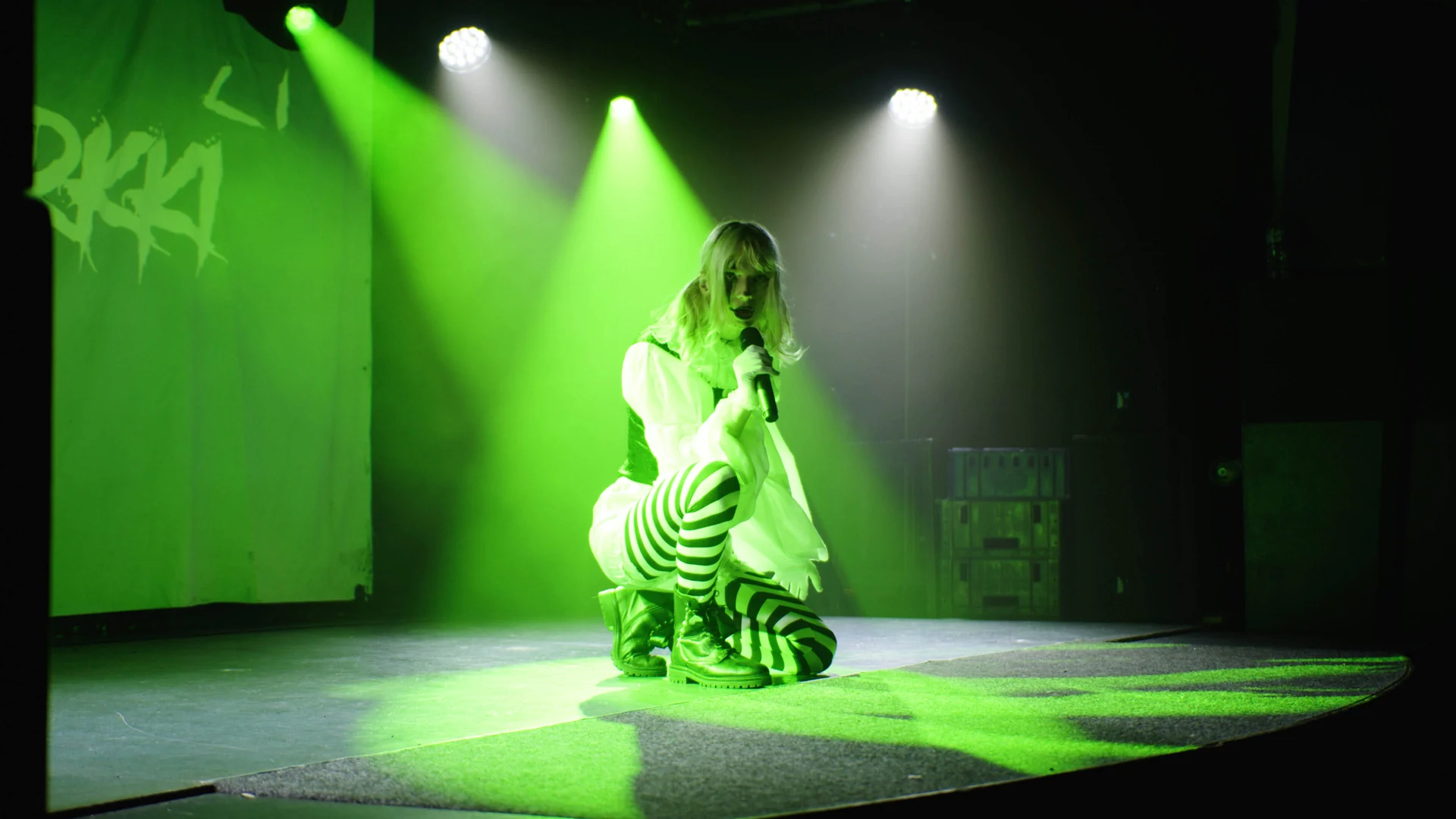
Show lighting is designed for a live audience, not always for cameras. A filming plan should account for blackouts, saturated colour, follow spots and dim scenes so the edit does not depend on one unusable angle.
Plan for the edit before the show starts
The editor needs stable coverage for key moments as well as closer detail. If the show has movement, projections or audience interaction, note the important beats in advance so the camera plan supports the structure.
Planning a theatre recording?
Reeka Studios films and edits theatre, comedy, cabaret and Fringe-style performance work in Leeds, Yorkshire and beyond.
Start a project →