
Video production guide
Multicamera vs single-camera live performance filming
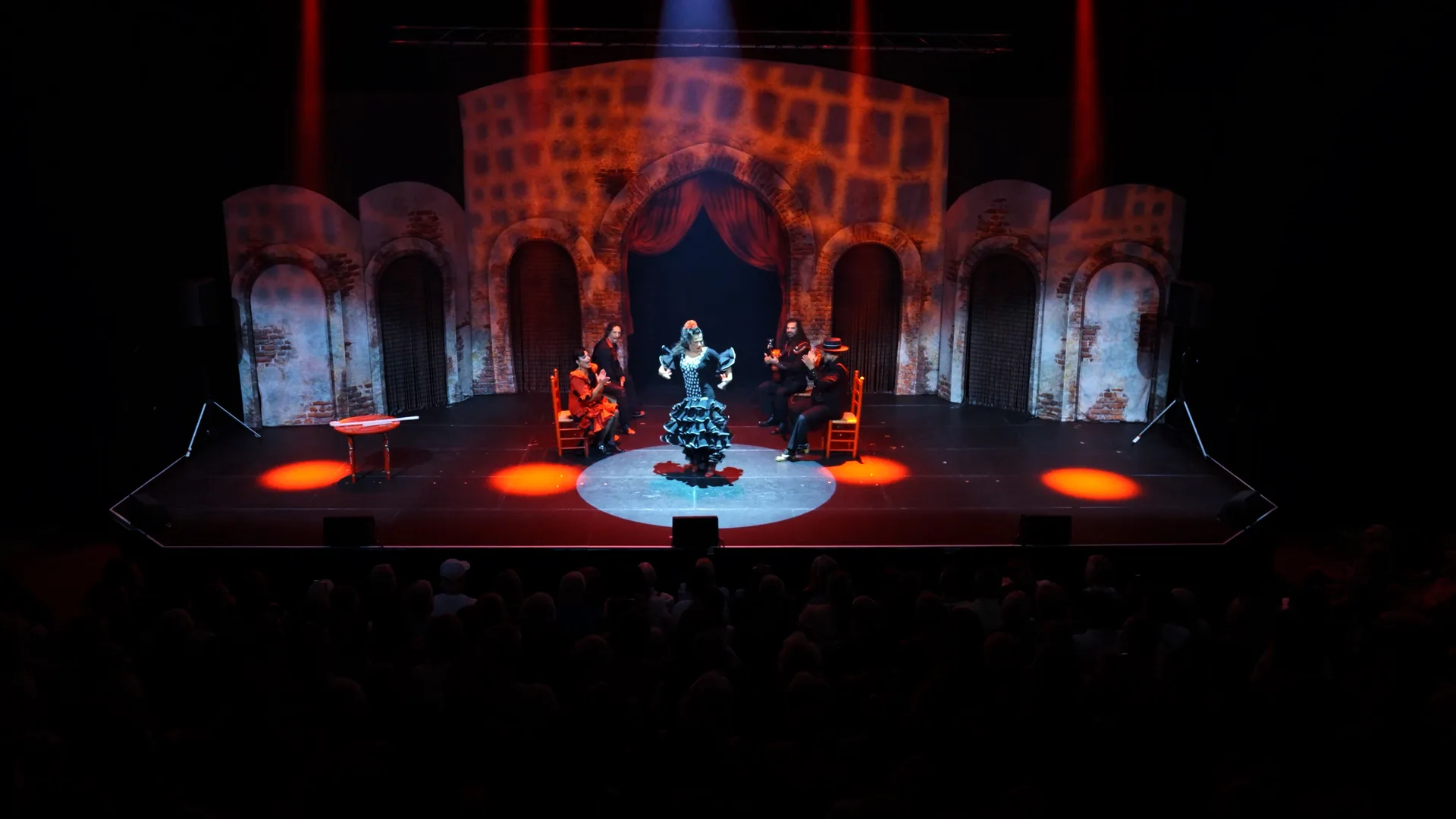
For theatre, music, comedy and other live work, the right number of cameras depends on what the recording is for. A documentation copy and a polished promotional edit do not need the same coverage.
When a single camera is enough
A single locked or operated camera can be appropriate when the priority is a clear archival record of the full performance. It keeps the setup lighter and can be useful when the venue has limited space, the budget is tight or the recording mainly needs to preserve the work rather than recreate the experience of being in the room.
The limitation is coverage. If the camera is wide enough to guarantee nothing is missed, facial detail and smaller moments can be lost. If the operator goes tighter, there is always a risk that something important happens elsewhere on stage.
What multicamera changes
Multicamera filming gives the edit options. One camera can protect the full stage while others capture close performance, reactions or alternative angles. That is particularly useful when the show cannot be stopped and repeated for coverage.
It also changes the feel of the finished film. The viewer can move between wide context and detailed performance, which makes a full-show edit more engaging and gives much stronger material for trailers and social clips.
Think about coverage, not just camera count
Three cameras pointed at almost the same angle do not automatically create useful multicamera coverage. The positions should have distinct jobs: a safe wide, a performer-focused angle, perhaps a reverse or side angle where the venue allows it. Sightlines, audience heads, lighting changes and performer movement all need considering before doors open.
Sound is part of the recording
A visually strong performance film can still fail if the audio is weak. Depending on the production, the best result may combine a feed from the venue desk with room sound or dedicated microphones. The exact setup changes between spoken theatre, amplified music and acoustic performance.
If you need promotion as well as archive
This is where multicamera normally earns its keep. A full recording may use long uninterrupted sections, while a trailer needs expressive close-ups, clean visual changes and moments that can be cut tightly to music or reviews. Planning for both outputs at once avoids discovering later that the only usable footage is a distant master shot.
Use rehearsal information when possible
A run sheet, script, cue list or quick conversation with the director can dramatically improve coverage. Knowing when performers enter, where key moments happen and when lighting changes occur lets camera operators anticipate the show rather than chase it.
Choosing the right setup
If you only need a functional archive, a single camera may be enough. If the recording also needs to become a polished full-show edit, trailer, social content or future promotional asset, multicamera coverage usually provides far more flexibility.
Reeka Studios regularly films theatre and live performance, including multicamera recordings and promotional material created from the same live coverage.
Planning a video project in Leeds?
Reeka Studios works across filming, editing and post-production for businesses, artists, theatre-makers and organisations.
Start a project →